
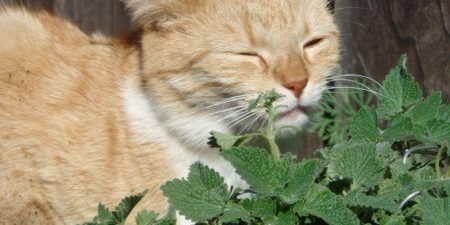
Catnip (Nepeta cataria) is a perennial herb belonging to the mint family (Labiatae). There are around 250 species of flowering plants in the mint family, but Nepeta cataria is the one that cats get so much joy from.
Catnip grows in semi-arid regions and is native to Europe, Africa and the western parts of Asia.
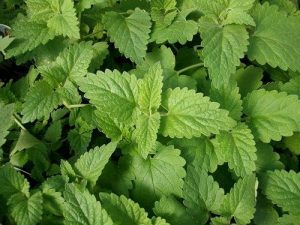
The plant itself has a square hairy stalk with greyish green coloured heart shaped leaves that have scalloped edges and grows about 60cm – 90cm tall.
Catnip is fairly easy to grow. It likes light, sandy soil and sunny conditions. Keep it well watered.
Chemistry of Catnip
The active ingredient that triggers a response in cats is an essential oil called nepetalactone and is found mostly in the stem and leaves of the plant.
When cats sniff at the plant nepetalactone enters the nasal tissue, binds with protein receptors, stimulating neurons which then send a signal to the brain. The brain then signals the amygdala (responsible for emotional responses) and the hypothalmus (responsible for behaviour responses). The cat then exhibits behaviour similar to that seen in response to cat pheromones.
The Catnip Response
Not all cats are affected by catnip. The catnip response is hereditary and experts estimate that only about 50% of cats react to catnip. Kittens younger than 3 months of age do not usually react to catnip. Many elderly cats may also not show much of an interest in catnip.
The catnip response affects all of the cat’s senses – touch, smell, sight, sound and taste. Usually powerful, the intensity varies widely among cats.
The typical behaviour of a cat responding to to catnip includes sniffing, licking, head shaking, eating the herb, rolling in the herb, rubbing its cheeks and head in the herb.
The effect lasts about 5 to 15 minutes. Once the cat has had his fill, he will walk away. A cat will not respond again to catnip for at least a couple of hours.
The euphoric state produced by catnip is safe and non-addictive.
Some cats may react to catnip a little too enthusiastically, becoming a little rambunctious and can even border on being aggressive. If your cat is like this, just give him some distance when he has his catnip treat. In a multi-cat household, serve that cat his dose of catnip in a separate area.
Different Forms of Catnip
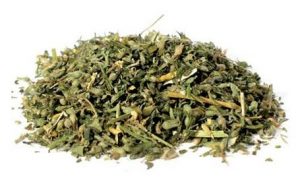
There are different ways of offering catnip to your cat. You can keep a catnip plant in your garden or home. Your cat can then have an occasional nibble on it as he pleases. You can buy dried catnip and sprinkle some of it on a surface where he can enjoy it or stuff some in a baby sock or an old sock for your cat to play with.
Catnip spray can be sprayed on scratch posts, beds, toys or surfaces for your cat to roll in or rub against.
You can also buy catnip-filled or -infused toys.
Beneficial Uses of Catnip
Catnip may be used to entice a cat to play; to induce a cat to use a scratch post; to help a shy cat feel bold enough to engage in interactive play; or to release tension after a stressful episode.
Images: Pinterest
