
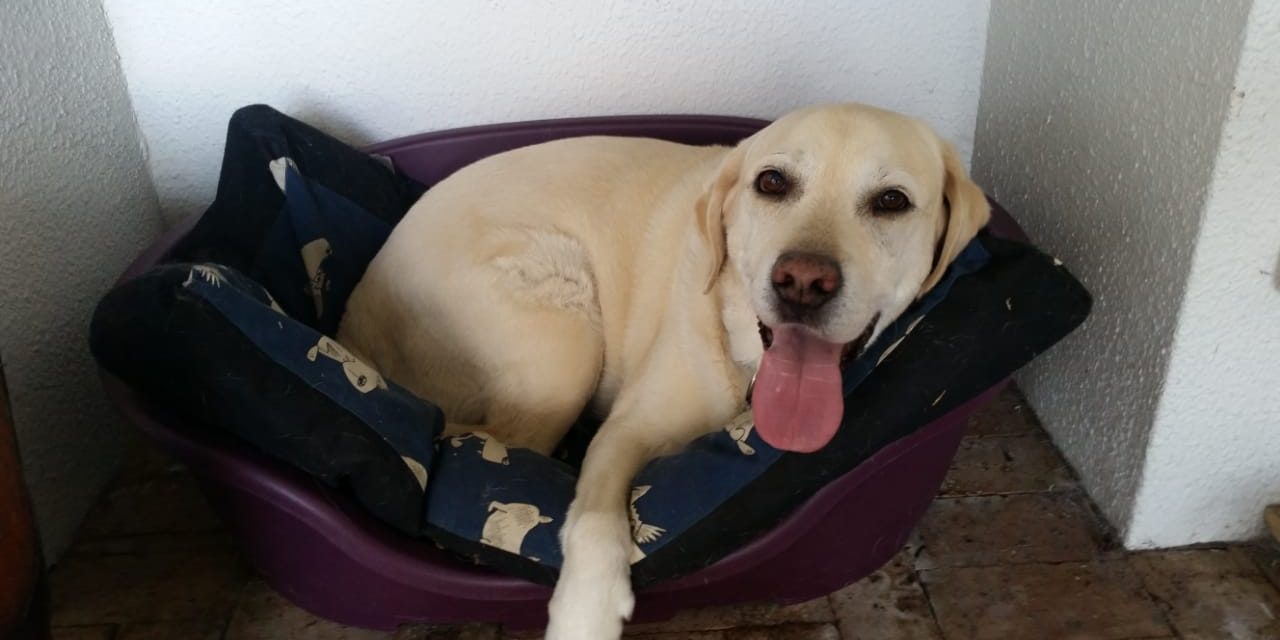
As our pets age, we can expect certain changes. These changes may not be the same in each animal species.
In some animals, like small or toy breed dogs, changes in the heart are more common, whereas in cats, the kidneys may be the first organs to show signs of ageing.
We can help our senior pets to adapt to these changes by being observant and having them treated for any signs of illness, pain or change in behaviour are noticed.
When is a cat and dog considered “senior”?
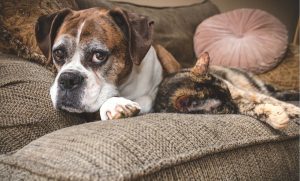
Image: Google images
Generally, cats over 7 years of age are considered senior and over 12 years of age are considered geriatric.
In dogs size typically determines at which age the dog is considered as senior.
- Small breeds (weighing less than 10kg) – 8 year
- Medium breeds (weighing between 10-25kg) – 7 years
- Large breeds (weighing 25-40kg) – 6 years
- Giant breeds (weighing over 40kg) – 5 years
Effects of ageing
With increasing age there are many changes to a cat and dog’s physiological, behaviour and vulnerability to particular illnesses.
- Changes in skin and coat condition
- Older pets may start to show gray hair, most commonly on the muzzle and around the eyes. It is more noticeable in black and darker coloured haircoats. Their haircoat may also become thinner and duller, this may also be a sign of disease or nutritional deficiency.
- The skin of an older pet may also become thinner and more subject to injury. Injured skin in older pets generally takes longer to heal. Some pets may develop benign growths/tumours of the skin. Cancerous tumours can also occur. Dry skin can also be a problem for older pets.
- Change in nutritional needs
- Older pets are usually less active, essentially becoming couch potatoes and gaining weight as a result. The excess weight puts unnecessary strain on the heart, lungs, muscles and joints.
- Change in nails and paw pads
- Just like changes occur in older pet’s haircoat, changes occur in their nails and paw pads.
- The nails can become brittle and may also need to be clipped more often. Thickening of the paw pads occur, but is more commonly seen in dogs.
- Changes in mobility
- Arthritis is a common occurrence in older pets, especially pets who injured their joints earlier in their lives. It may only cause slight stiffness, or it can become debilitating. They may have difficulty in getting up or finding a comfortable position when lying down, going up and down the stairs, getting into or out of the car, jumping on or off elevated surfaces, or even walking.
- Dental disease
- Dental disease is very common in older pets. Without proper care, dental disease can become serious, even life threatening.
- Changes in hearing and eye sight
- Some senior pets will experience hearing loss. Unfortunately, hearing loss is often only noticed once it is severe.
- Senior pets may also experience vision loss. Your pet may start to bump into furniture, have difficulty finding its food and water bowls, etc.
- Degenerative diseases
- As your pet ages, organs like the heart, lungs, liver, kidneys and lungs loose some efficiency to function, leading to kidney disease, hyperthyroidism, heart disease and other conditions.
- Changes in activity and behaviour
- As your pets get older they also become less active. They become less keen to play, become more vocal, sleep for longer periods and in cats, become less keen to groom themselves.
- Older pets may also have a reduced or fussy appetite.
- As pets age they also have a decreased ability to cope with stress, which can result in behaviour changes.
How can you help your senior pet?
- Schedule regular checkups. Having your senior pet’s health checked by your vet at least once a year will allow for early detection of any diseases in advance.
- Routine preventative care. As your pet ages, its immune system weakens and routine care like tick and flea control, deworming and vaccinations become more important.
- Feed your senior pet a high quality diet. Choose a diet that is appropriate for your pet’s age, lifestyle and nutritional needs, e.g. Iams Mature & Senior, Vets Choice Golden Years, Hill’s Youthful Vitality, Superwoof Senior, Eukanuba Mature & Senior. If your pet is diagnosed with kidney disease, hyperthyroidism, arthritis or liver disease, you will need to feed your pet a special prescription diet. E.g. Hill’s J/D (arthritis), Hill’s K/D (kidney disease), Royal Canin Renal (kidney disease), etc. Your vet will advise you on the appropriate diet.
- Keep a watchful eye on your senior pet. Checking your senior pet’s skin, coat, claws, paws, legs, eyes, ears, mouth and body regularly may help you to pick up any changes, lumps, bumps and wounds before they become serious.
- Regular exercise, in moderation. It can help keep your senior pet lean and is important for the health of the muscles, joints, heart, digestive system and attitude. Know your senior pet’s limits and do not force him to overexert himself.
- Provide your senior pet with toys to help keep him occupied. Food dispensing or puzzle toys will help to keep your senior pet and his brain active. Provide your senior cat with a horizontal scratch post.
- Provide our senior pet with soft, comfortable bedding. This will help him be more comfortable and support his joints while resting/sleeping. The bed must also be easy to get on and off of. A bed with high sides or on a platform, may be difficult to access, especially if he is suffering from arthritis.
- Elevate the food and water bowls for your medium to giant sized dogs. This will reduce the stress on his neck and back while eating.
- Help your arthritic pet find his footing. Placing carpets or rubber mats on slippery surface will will help your pet suffering from arthritis to gain his footing and make it easier for him to get around.
- Groom your pet regularly. Brushing your pet regularly improves the circulation to the skin and helps stimulate the production of natural oils to keep the coat shiny. Grooming also provides you with the opportunity to check your pet for any abnormalities and to spend quality time with him.
- Keep an eye on your senior pet’s weight. With reduced activity levels your senior pet may be more at risk of weight gain. Feeding and appropriate diet, exercising and keeping treats to a minimum will help to keep his weight down.
- Avoid sudden changes. Older pets have a decreased ability to cope with stress, thus avoid any sudden changes in their routine, environment and food. Stress can develop or worsen behavioural changes. If changes need to be made, do it gradually.
Please consult your vet if you have any further questions or concerns about your senior pet’s health.

Image: lowcountrydog.com
