
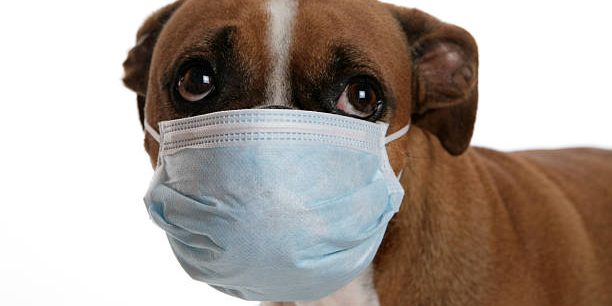
Canine Parvovirus, also known as “Parvo”, was first described in the 1970’s.
It is a highly contagious virus that affects dogs of all ages. The majority of cases are seen in puppies that are between 6 weeks and 6 months of age. The virus attacks the rapidly dividing cells lining the gastrointestinal tract and also the white blood cells.
How is the virus transmitted?
Parvo is transmitted by any person, animal or object that comes into contact with an infected dog’s faeces or vomit. Even trace amounts of stool or vomit containing parvovirus may infect other dogs that come into the infected environment.
The parvovirus can live in the environment for months.
What are the general symptoms?
- Depression

- Lethargy
- Loss of appetite
- Vomiting
- Bloody, foul-smelling diarrhoea
- Fever
- Dehydration
- Severe weight loss
- Collapse
Any dog with symptoms of canine parvovirus should be seen by a vet immediately.
Which dogs are at risk?
Canine Parvovirus is contagious to dogs only and affects most members of the canine family. Puppies younger than 6 months of age, senior dogs, unvaccinated dogs and black and tan breeds such as Rottweilers and Dobermans are more susceptible to the virus.
How is parvovirus diagnosed?
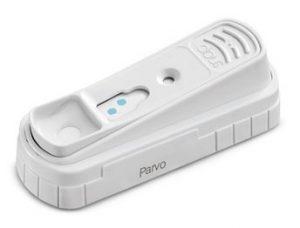 The vet will perform a physical exam and do an inhouse test to test for the presence of the virus antigens in the stool. Further tests or bloodwork may be done to determine the severity of the disease.
How is parvovirus treated?
There are no drugs available that can kill the virus.
Treatment focuses on:
- supportive care to control the vomiting and diarrhoea and boost the dog’s immune system
- combating dehydration by replacing electrolyte and fluid loss
- preventing secondary bacterial infection
In more severe cases blood plasma transfusion may be required.
The outcome depends upon the severity of the specific strain of the parvovirus, the dog’s age and immune status and how quickly treatment is started. Even after recovery the dog will still have a weakened immune system and be susceptible to other illnesses. An easily digestible diet will be best during recovery.
How can parvovirus be prevented?
The best way to prevent parvovirus is through good hygiene and vaccination. Puppies should be vaccinated at 8, 12 and 16 weeks of age and a booster vaccination done annually thereafter.
Because the virus can live in the environment for months, you need to take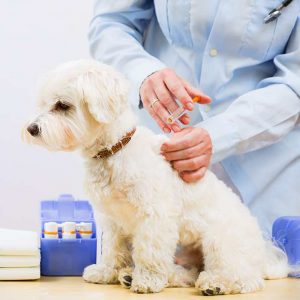 extra care if there has been an infected dog in your house or yard.
Parvo is resistant to many typical household disinfectants. Bleach in a 1:32 dilution is the most effective household disinfectant and a contact time of 20 minutes is required before rinsing.
F10 SC and F10 SCXD are Department of Agriculture, Stock Remedies Act 36 registered products that are also effective against Canine Parvovirus and can be purchased at your local animal clinic and vetshop. Follow the instructions on the label carefully.
Areas that are harder to clean, e.g. grass, carpets, wood, etc. may need to be sprayed with disinfectant, or even resurfaced.
If you suspect that your dog may be suffering from parvo, please consult your veterinarian.
