
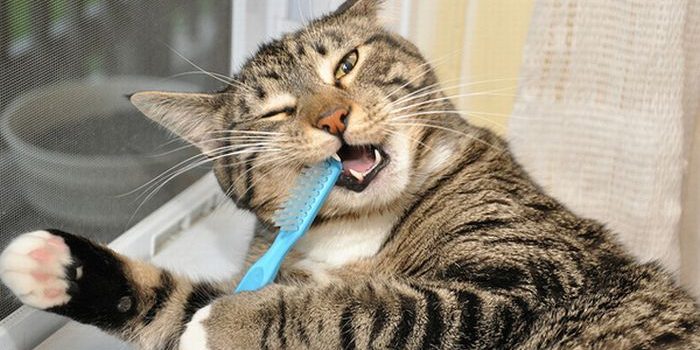
Dental disease can affect pets of any age, but it is more common in senior pets. With years of chomping and chewing behind them, senior pets often find their pearly whites in less-than-perfect condition. A buildup of plaque and bacteria, over time, can lead to serious oral health problems.
Dental disease can shorten your pet’s life span.
What is dental disease?
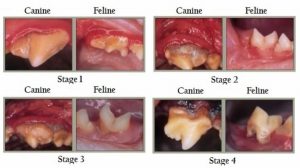
Oral health problems begin with the buildup of plaque on the teeth. This can harden leaving unsightly tartar if left untreated. Plaque and tartar can lead to gingivitis, a painful inflammation of the gums, and eventually periodontal disease may develop. In severe cases the damage is so bad that the gums recede and eventual loss of teeth occurs.
As infection in the mouth increases the bacteria that are absorbed into the bloodstream and carried to other organs, like the kidneys, liver and heart.
Dental abnormalities to look for in senior pets
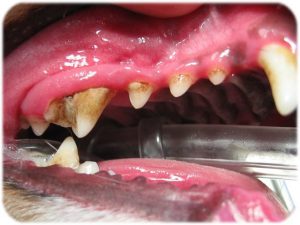 Checking your pet’s teeth regularly at home will often help to detect problems before they become serious.
Look out for:
- redness, swelling, ulcers or other changes in the gums
- buildup of yellow/brown material on the tooth itself
- loose or damaged teeth
- foul smelling breath (dogs and cats generally smell a little, use your judgement as to what is “normal”)
- facial swelling
Behavioural changes that may signal dental problems
Dental disease causing discomfort is easily overlooked in older pets as it is often assumed that behavioural changes are caused by “just getting old”.
Watch out for:
- loss of interest in playing and chewing toys
- difficulty chewing, eating on one side only or dropping food
- drooling/dribbling
- rubbing or pawing at the mouth
- pain when trying to examine the mouth
What to do if you suspect your pet has dental problems
If you suspect that your pet may be suffering from dental problems, have him checked by a vet sooner rather than later. Your vet will be able to advise you whether your pet requires a program of regular teeth brushing at home or a dental scaling and polishing and if some teeth may need to be extracted.
A professional dental procedure done by a veterinarian does require general anesthetic. A truly thorough oral examination and cleaning cannot be accomplished on a pet that is awake. It is also dangerous to work with sharp instruments in the mouth of a conscious animal. It is also very stressful for the pet.
Many pet owners, especially those of senior pets, are anxious about anesthesia, but it is actually safe when performed appropriately by a qualified vet. Your vet will run some tests prior to the planned procedure to ensure your pet is in good general health.
Maintaining your senior pet’s oral health
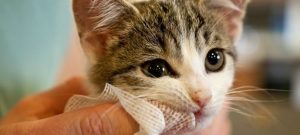 Ongoing home dental care is just as important as taking care of your pet’s general health. This includes:
- Brushing you pet’s teeth regularly using a special pet-friendly toothbrush and toothpaste. There is also an oral gel available that you can apply with your finger. You can also use gauze wrapped around your finger to gently scrub your pet’s teeth.
- There is a big variety of dental chews available that are quite useful for pets that make brushing nearly impossible.
- There are also water additives that help to reduce plaque buildup.
- A range of dental-specific diets is available that you can feed as a meal, a treat or add it to your pet’s normal food, e.g. Hill’s Oral Care, Hill’s T/D, Royal Canin Oral Sensitive, Royal Canin Dental.
- Most important is to have your senior pet checked annually to help detect any dental issues before it becomes worse.
Always consult your vet if you are at all concerned about your senior pet’s health, oral or otherwise.
