
Does your pet struggle to get up after sleeping or lying down? Does he have a hard time moving around? Does he struggle to jump onto the couch or bed and hesitate to jump off again?
If you can answer “yes” to any of these questions, your pet could be suffering from arthritis.
It is difficult enough to accept that your beloved furry companion is getting old and learning that he has arthritis makes it feel worse. Thankfully, arthritis does not mean a poor quality of life anymore. These days there are medications, therapies, supplements and even special foods available to help pets suffering from arthritis to live a life with reduced pain and improved mobility.
What is arthritis?
Arthritis is inflammation of the joints. It is most commonly seen in older pets, but can affect pets of any age. The most common type of arthritis is Osteoarthritis, also known as Degenerative Joint Disease.
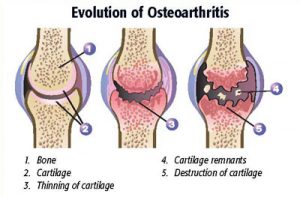 Arthritis involves the deterioration of the smooth cartilage that covers, protects and cushions bones that form the joints. Once the bone is exposed, painful wear and tear occurs, because the bones of the joints are rubbing together. The bone may eventually lose its shape. Bone spurs (also called osteophytes) and thickening of the bone may also occur. Pieces of bone and cartilage may break off causing more pain and inflammation.
Arthritis is unfortunately not curable, but it is manageable.
What causes arthritis?
- Ageing and natural erosion of the cartilage

- Injury and trauma to the joint
- Congenital bone and joint problems
- Recurring injury to the joint
- Misalignment of the joint
- An inherited condition, such as hip dysplasia
- Obesity, which causes extra strain on the joints
What are the symptoms?
Symptoms of arthritis usually develop gradually. They may go unnoticed for months or even years. Because of this, many pets have advanced arthritis by the time symptoms are first noticed. Cats are experts at hiding pain and discomfort, so symptoms may be very subtle. This is why it is very important to be aware of your pet’s habits and behaviours.
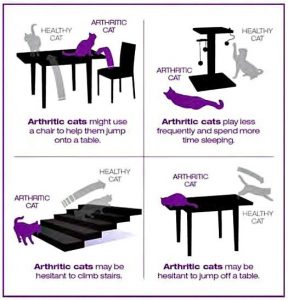 Symptoms may include:
- Limping or favouring one limb
- Difficulty walking, climbing stairs or jumping
- Difficulty lying down or getting up after resting
- Hesitating to climb/jump off furniture
- Stiffness
- Loss of interest in playing and socialising
- Low energy/lethargy
- Excessive licking, biting or chewing at the affected joint due to pain
- Vocalisation and/or biting when the arthritic joint is manipulated
How is arthritis diagnosed?
If you have any cause for concern, it is time for a visit to the vet. The signs and symptoms are only clues, so your vet will need to rule out any other possible causes to make the correct diagnosis.
You will need to give your vet an account of the signs or symptoms you have noticed, including when you started noticing them, how often you see them and when they seem to be better or worse.
You vet will do a full physical examination. Further tests or x-rays may be required in some cases. Once the diagnosis has been made, your vet will advise you regarding the best treatment options and ways to keep your pet feeling his best.
Treatment and care for pets with arthritis
Keep your pet at a healthy weight – excess weight puts extra strain on joints and ligaments, contributing to arthritis pain.
Make sure your pet still gets some exercise – exercise should be low impact, such as short leash walks, swimming and walks in the garden.
In the cold months, keep your pet warm and dry – arthritis is aggravated by cold and damp weather. Make sure to keep your pet’s bed in a warm draft-free spot.
Provide your pet with a padded bed to help cushion his joints when sleeping or lying down.
Keep food and water bowls at a comfortable height on a non-slip surface.
Ramps can help pets navigate stairs or get onto furniture. Ensure that the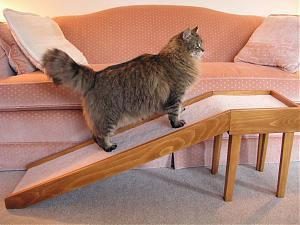 ramp is long enough that the angle is not too steep.
Switch your pet to a specially formulated food, such as Royal Canin Mobility, Hill’s J/D, Hill’s Metabolic+Mobility.
Dietary supplements, such as MobiFlex, GCS Joint Care Advanced and GlucoCARE Advanced can be added to your pet’s diet to help ease the discomfort.
There are also medications available to help alleviate the pain and discomfort. These medications are only available on prescription and should only be used as directed by a veterinarian. (Please do not try to medicate you pet on your own, as human anti-inflammatories and supplements can be dangerous to your pet, especially the use of human pain medication in cats.)
You can also take you pet for special therapy sessions, such as a water treadmil or physiotherapy.
There are surgical procedures, e.g. hip replacement surgeries to correct hip dysplasia, that may be employed to treat or prevent arthritis in some cases.
Most importantly, provide your senior pet with plenty of love and care.