
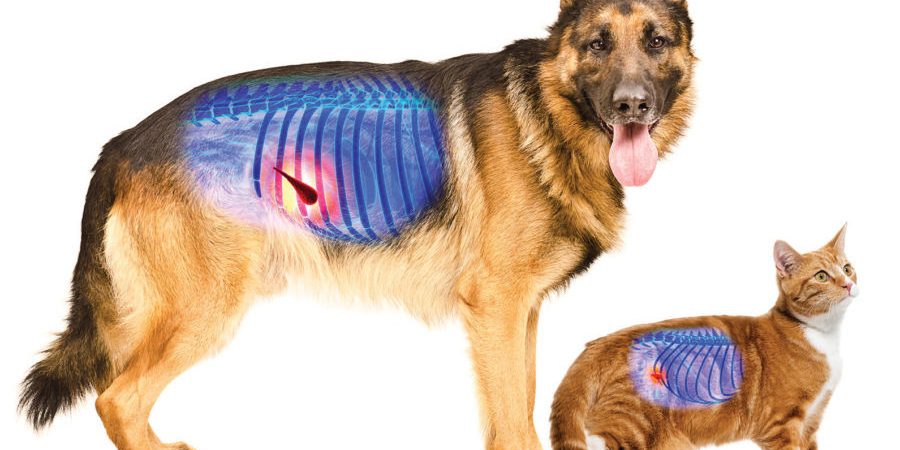
The pancreas is a pale pink, V-shaped organ that is located near the liver, behind the stomach and the first section of the small intestine. It has 2 functions: it aids in the metabolism of sugar in the body through the production of insulin, and it produces enzymes that help to digest food properly.
What is pancreatitis?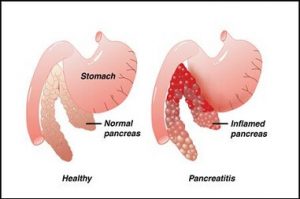
When the pancreas becomes inflamed, it is called pancreatitis. This causes the flow of enzymes into the digestive tract to become disrupted, forcing the enzymes out of the pancreas into the abdominal area. If this occurs, digestive enzymes will begin to break down the fat and proteins in the other organs.
Pancreatitis may be considered acute or chronic. Acute pancreatitis comes on suddenly and can be reversible. Chronic pancreatitis occurs due to damage to the pancreas over time and can result from repeated episodes of acute pancreatitis.
Inflammation of the pancreas often progresses rapidly in dogs and cats, but can often be treated without any permanent damage to the organ. However, if pancreatitis goes long term without treatment, severe organ damage can occur.
What causes pancreatitis?
There are several causes of pancreatitis, some of them are:
- Genetics – Some breeds are much more likely to develop pancreatitis than others, including Siamese cats, Miniature Schnauzers, Cavalier King Charles Spaniels, Miniature Poodles, etc. However, any breed of cat and/or dog can develop pancreatitis.
- Diet – Eating something too fatty or even something that isn’t particularly unhealthy, but is too different from the pet’s normal diet.
- Trauma – Abdominal trauma such as being hit by a car or a high fall. Damage to the pancreas may result in enzymes leaking out.
- Infections – Certain types of infections, such as fungal disease, toxoplasmosis, viruses and Babesia have been documented as causes of pancreatitis, but these causes are often very specific to certain parts of the world.
- Toxins – Exposure to organophosphate insecticide has been linked to pancreatitis.
- Hormonal diseases – Certain hormonal diseases such as hypothyroidism, have been linked with pancreatitis, but the link is not well understood.
- Cancer of the pancreas can also cause pancreatitis.
In many cases, the trigger for the episode of pancreatitis is not identified.
Cats have a slightly different anatomy than dogs and commonly have pancreatitis associated with bile duct disease, inflammatory bowel disease or other small intestine disease.
Symptoms
Pancreatitis can look very different in different animals. Dogs will commonly have a painful abdomen, stretching their bodies out to decrease pressure on the abdomen. Vomiting, diarrhoea, loss of appetite or pain after eating can occur. A dog with pancreatitis can also have jaundice (a yellow tint to the gums, the whites of the eyes and/or the skin).
Cats can have all the above mentioned clinical signs, but much more subtle. They will often not have obvious signs of vomiting or obvious abdominal pain, but, instead, may simply stop eating and start hiding more.
How is pancreatitis diagnosed?
Pancreatitis can be difficult to diagnose due to the vague symptoms which are similar to a host of other diseases.
Your veterinarian will perform a thorough examination of your pet. It is very important to provide the vet with a full medical history of your pet. Blood tests, abdominal ultrasound and/or x-rays may be required to help with the diagnosis.
Treatment
There are different ways to treat pancreatitis, and your vet will discuss treatment options appropriate for your pet.
Treatment for pancreatitis is essentially symptomatic and supportive. It involves fluid therapy (to prevent dehydration), pain relief, medication to control nausea and vomiting and a course of antibiotics. Your vet may also prescribe a low-fat, bland diet. In some cases, it may be necessary to use tube feeding to provide proper nutrition. In rare cases surgery may be required.
To prevent pancreatitis from occurring again in future, your vet may recommend some lifelong changes, such as permanent diet changes, adding supplements or prescribing medication to be continued indefinitely.
Prognosis
Pancreatitis can be a very unpredictable disease. In most cases, if the pancreatitis in mild, chances of recovery are good. In other cases, what appear to be mild cases may progress, or may be treated successfully only to have recurrences, sometimes severe.
Severe pancreatitis may cause life-threatening damage to the body, such as kidney failure, diabetes and intestinal obstruction.
It is very important to follow the recommendations given by your vet, complete any course of medication prescribed and keep your pet well hydrated.
