
Diabetes mellitus in dogs and cats is a complex disease caused by either a lack of insulin or an inadequate response to insulin.
Insulin is a hormone that is produced in the pancreas. After your pet eats, its digestive system breaks food into various components, including glucose, which is carried into the blood cells by insulin. Appropriate insulin function will trigger the liver and muscles to take up the glucose from the blood cells, converting it to energy.
In diabetes, there can be a lack of insulin production, or an inadequate response to insulin.
Types of diabetes
Diabetes can be classified as either Type 1, lack of insulin production, or Type 2, impaired insulin production with an inadequate response to insulin.
The most common form of diabetes in dogs is Type 1, which occurs when the pancreas is incapable of producing or secreting adequate levels of insulin. Dogs with Type 1 diabetes require insulin therapy.
In cats, Type 2 diabetes, non-insulin dependent diabetes, is more common, but eventually, almost all cats diagnosed with diabetes, will need insulin therapy to keep the blood sugar balanced.
 What causes diabetes?
The exact cause of diabetes is unknown. However, autoimmune disease, genetics, obesity, chronic pancreatitis, certain medications and abnormal protein deposits in the pancreas can play a major role in the development of diabetes.
Most common clinical signs of diabetes
Early signs:
- Increased urination – the increase blood glucose levels mean that glucose spills over into the urine drawing water with it, creating a larger volume of urine.

- Increased thirst – to compensate for the water that is being lost through increased urine production.
- Change in appetite – your pet will be hungrier, because the amino acids needed inside the cells aren’t getting there, or aren’t being used appropriately.
- Weight loss – because the energy from food is not being used efficiently by the body’s cells, your pet can lose weight even though he is eating more.
Later signs:
- Change in gaint/walking (cats only) – some cats with diabetes mellitus develop an abnormality of their nervous system. It
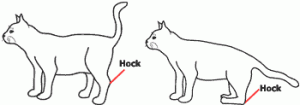 results in them walking with their hocks touching the ground.
 - Vision problems – another complication of diabetes in pets is blindness due to cataract formation, which is primarily seen in dogs, but cats can also develop blindness as a result of diabetes.
- Lethargy and tiredness – when the cells in your pet’s body are deprived of blood sugar, your pet will often exhibit a general lack of energy, resulting in a lack of activity and increased need for sleep. Your pet may also become depressed.
- Urinary tract infection – the more sugar there is in the urine, the greater the likelihood that bacteria will grow in your pet’s bladder, leading to secondary urinary tract infection.
- Kidney failure – kidney failure, especially in cats, is also a common secondary symptom of diabetes. The kidneys become overburdened and the “filters” inside the kidneys cannot handle the extra work of filtering sugar.
The severity of these signs will vary between individuals, and some will be more subtle than others.
How is diabetes diagnosed?
The clinical signs may suggest a diagnosis of diabetes, but other conditions may also produce similar signs, so further testing is necessary to confirm a diagnosis. This is usually done in the form of blood and urine tests.
Analysis of the urine sample will reveal the presence of glucose. Ketones, which are used as an alternative source of energy during diabetes, may also be present in the urine.
Analysis of the blood sample will reveal the presence of a persistent high concentration of glucose. Your vet may also look at fructosamine and/or glycosylated haemoglobin concentrations – these tests measure the quantity of glucose that has become bound to different proteins in the blood over a period of time.
Treating diabetes
Diabetes is a treatable condition, but it is not a simple disease to manage and does require dedication and commitment from the owners. Consistency is vital.
Most diabetic pets will need to have their diabetes managed with daily or twice daily insulin injections. It is important to always give your pet insulin at the same time every day and feed him regular meals in conjunction with the medication. This allows increased nutrients in the blood to coincide with peak insulin levels and will lessen the chance that his sugar will swing either too high or too low.
Feeding your diabetic pet the correct diet and accurately measuring the amounts of food fed are also very important. There are special prescription diets available that are specially formulated to meed the requirements of a diabetic cat or dog, e.g. Royal Canin Diabetic (for dogs and cats), Hill’s M/D (for cats) and Hill’s W/D (for cats and dogs).
Regular exercise not only helps control blood sugar levels, but also helps to maintain a proper body weight, which in turn has a positive impact on treating diabetes.
Every individual has a unique response to insulin, thus intensive monitoring is necessary after treatment has begun. The most common method of monitoring a cat or dog’s response to insulin is to run a series of blood sugar measurements over several hours (known as a blood glucose curve). This provides insight into the strength and duration of the insulin’s effect. The vet will then use the results to assess the efficacy of the insulin and, if necessary, change the dose.
If properly managed, diabetic pets do well and can have normal life-spans.
If you have any further questions regarding diabetes in pets or if your pet is showing any of the clinical signs mentioned please consult your vet.
