
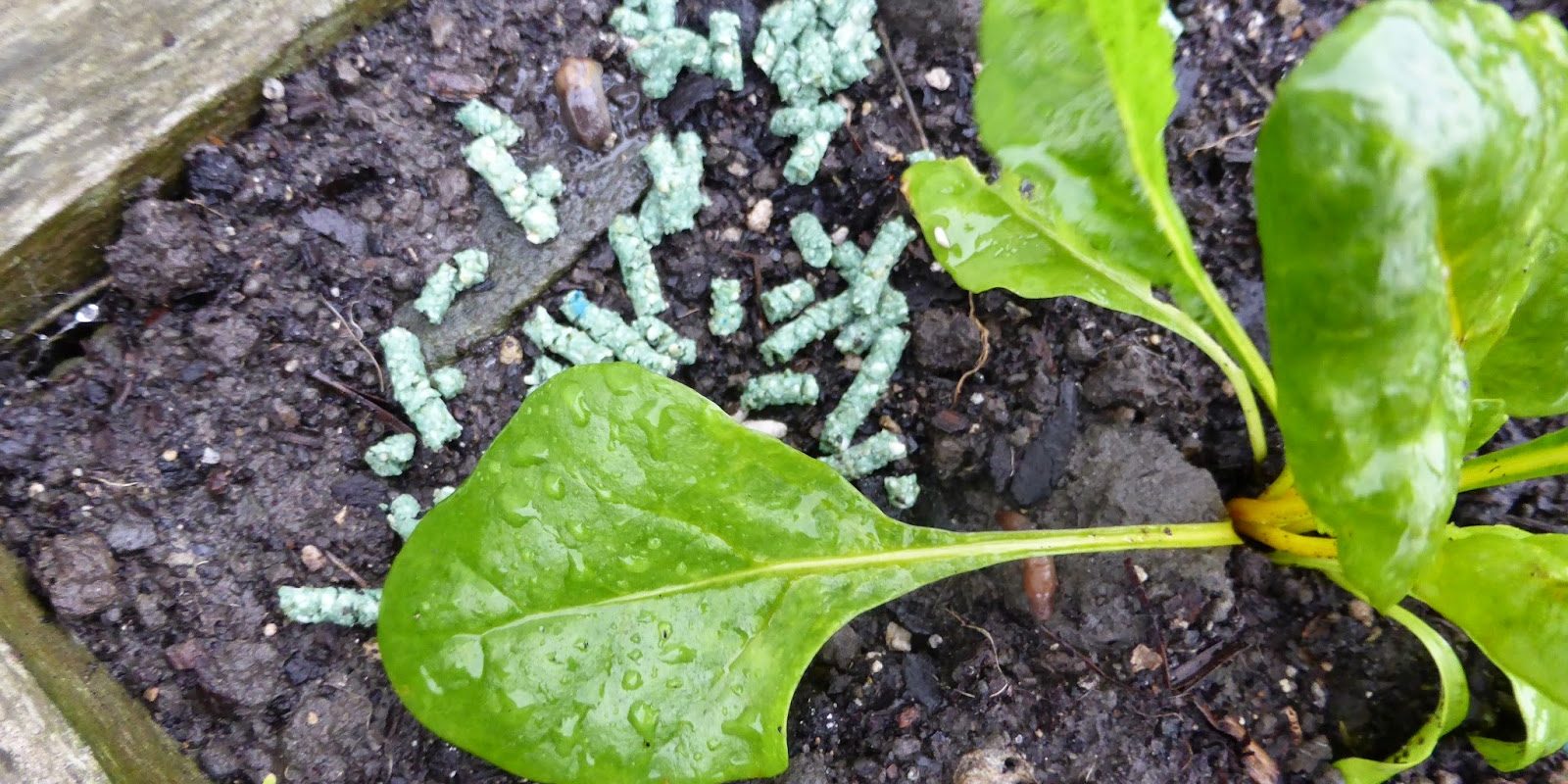
In spring and summer our gardens are filled with beautiful flowers and plants, but along with them come the snails and slugs followed closely behind by the perennial gardening-season danger, snail bait.
Snail and slug bait products come in pellet, granular, liquid and powder form, is green, blue or brown in colour and typically contain a 3% – 5% concentration of metaldehyde. In order to attract the snails and slugs, molasses, oats, apple, brown sugar, rice, soya, etc is added and this, unfortunately, makes it attractive to pets too.
What is Metaldehyde Poisoning?
Methaldehyde poisoning occurs when it is ingested by the pet. Powder or liquid forms can stick to the pet’s fur and paws and are ingested when the pet licks itself.
Once ingested metaldehyde converts to acetaldehyde, which is toxic to the nervous system, causing tremors, ataxia and seizures. Metaldehyde toxicity can lead to disseminated intravascular coagulation, multiple organ failure and death.
What are the Symptoms?
Symptoms of metaldehyde poisoning occur within minutes after ingestion, but may also be delayed and develop up to 3 – 4 hours after ingestion.
These symptoms include, but are not limited to: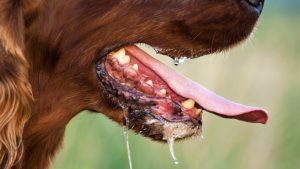
- Excessive panting/increased respiratory rate
- Excessive drooling
- Increased heart rate
- Muscle tremors/twitching/shaking
- Lack of coordination/disorientation
- Vomiting
- Diarrhoea
- Convulsions/seizures
Muscle tremors and convulsions significantly raise the body temperature, which can lead to hyperthermia, which in turn can lead to permanent brain damage and ultimately death.
How is Metaldehyde Poisoning Diagnosed?
Generally, the appearance of the clinical signs are suggestive of poisoning and a diagnosis can be made without a known history of snail bait exposure.
In most cases of metaldehyde poisoning the owners have witnessed the pet ingesting it or there is a history of recent snail bait use around the garden.
Always remember to bring the packaging containing the snail bait with you so your vet can evaluate the active ingredients.
How is Metaldehyde Poisoning Treated?
There is no antidote for metaldehyde poisoning.
Treatment is aimed at minimising further absorption of the poison into the system and controlling the clinical signs. It is often preferable to anesthetise the patient and pump the stomach to eliminate the poison from the body. Afterwards, activated charcoal is administered to help absorb any further poison that remains in the stomach and intestines.
Overall prognosis ultimately depends on the amount of metaldehyde ingested, time to treatment, quality of care provided and the individual patient’s health.
If left untreated, your pet may die within hours of ingestion.
Prevetion
The best way to protect you pet from metaldehyde poisoning is not to use snail bait at all. If you must, use it sparingly, place it only in areas that are inaccessible to your pet and store the product in a safe place away from your pet’s reach.
There are natural and/or pet-friendly products available, but be vigilant and check the ingredients as some of these products might still contain some insecticide. If you are unsure about whether the product is safe or not, do not use it.
There are also some very easy pet-friendly options to help keep the snails under control in your garden:
- Picking the snails off your plants by hand and discarding them
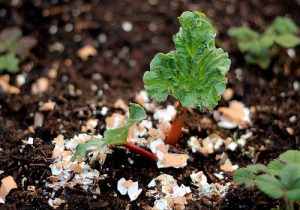
- Placing crushed eggshells around the base of the plants
- Placing 15 – 20cm wide copper tape or banding around your pots or plants. It gives the snail a slight shock on contact and thus deters it.
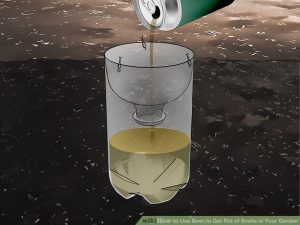
- Placing beer or a yeast, honey and water mixture in a small container, which will attract the snails. Once they climb into the container they will drown
If you suspect that your pet has ingested snail bait or any other toxic substance, place take your pet to the nearest Veterinary Hospital, IMMEDIATELY!
Additional reading:
PetMD – Snail, slug bait Poisoning in Dogs and Cats
Pet Health Network – Metaldehyde poisoning: The dangers of snail and slug bait
